

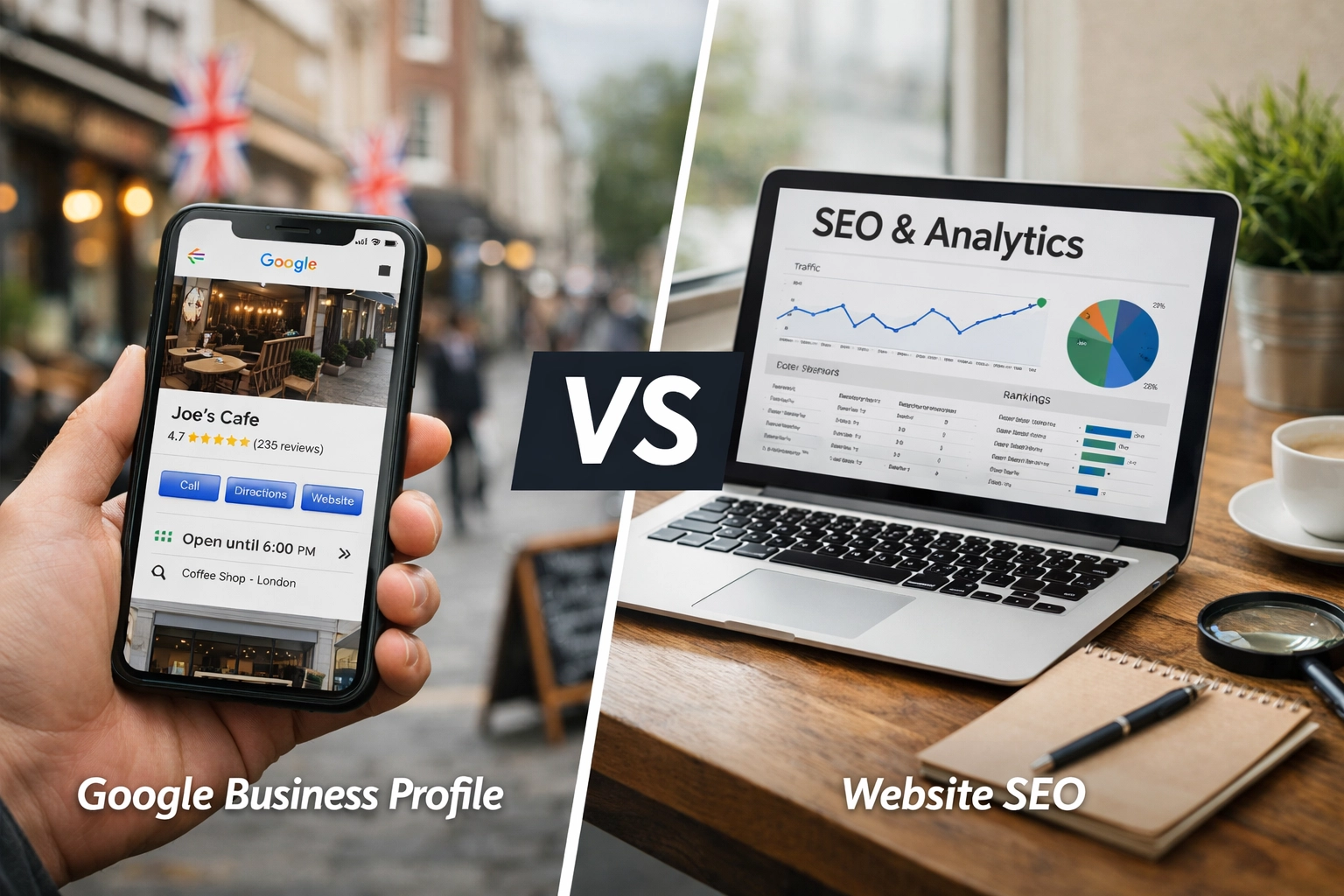
If you're running a small business in the UK, you've probably heard conflicting advice about where to focus your digital marketing efforts. Should you pour time into perfecting your Google Business Profile? Or invest in proper website SEO?
The truth is, this isn't really an either-or situation. But understanding how each platform brings customers through your door helps you allocate your limited time and budget more effectively.
Let's break down exactly what each approach does, who wins in different scenarios, and how most successful UK businesses are using both to their advantage.
What Google Business Profile Actually Does for Your Business
Your Google Business Profile (formerly Google My Business) is essentially your shopfront in local search results. When someone in Birmingham searches "plumber near me" or "coffee shop in Manchester," Google pulls information from Business Profiles to populate those results.
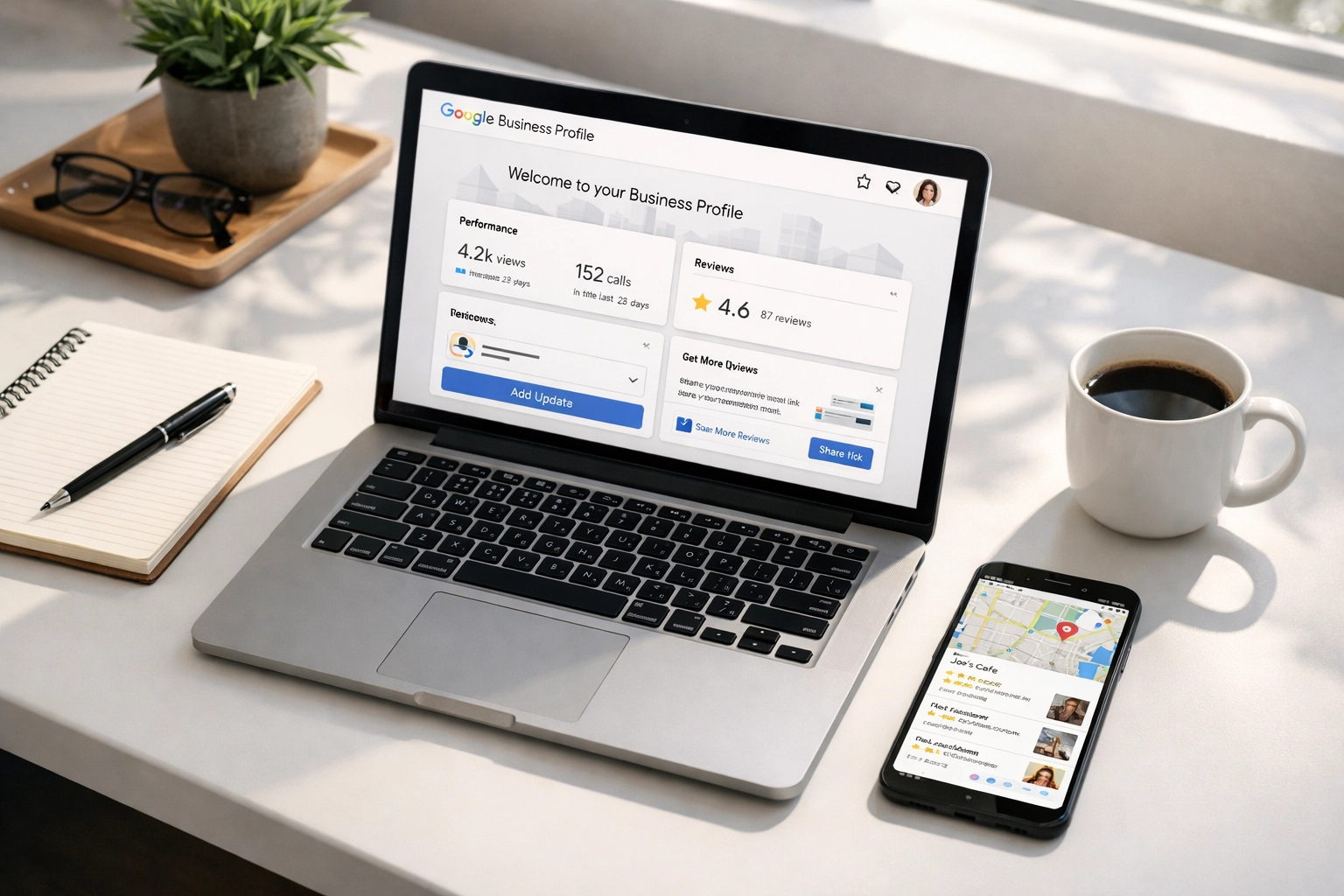
Here's what makes it powerful for customer acquisition:
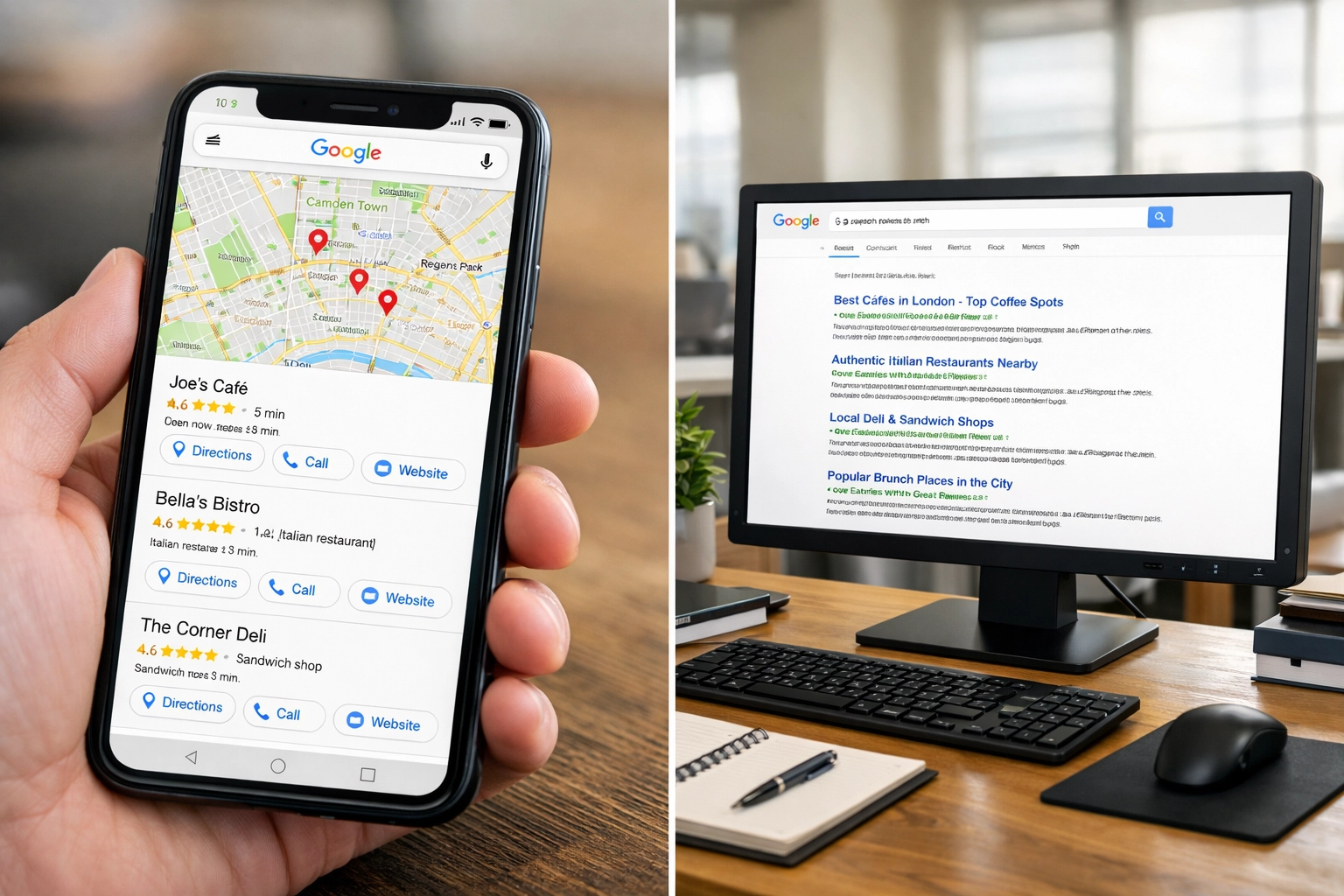
It captures high-intent local searchers. About 46% of all Google searches have local intent, and these people are typically ready to buy or book. When they search, your Business Profile can appear in the Local Pack: those three businesses that show up before the regular organic results: or in Google Maps.
It reduces friction dramatically. Someone viewing your profile can click to call you, get directions, send a message, or read reviews without ever visiting your website. For mobile users especially, this immediacy matters.
It's completely free and relatively quick to set up. You can have a basic profile live within an hour, though optimising it properly takes more time.
The limitation? Google Business Profile works primarily for local searches. If someone in Edinburgh is researching "best CRM software" or looking for industry insights, your profile won't help you reach them.
How Website SEO Builds Broader Visibility
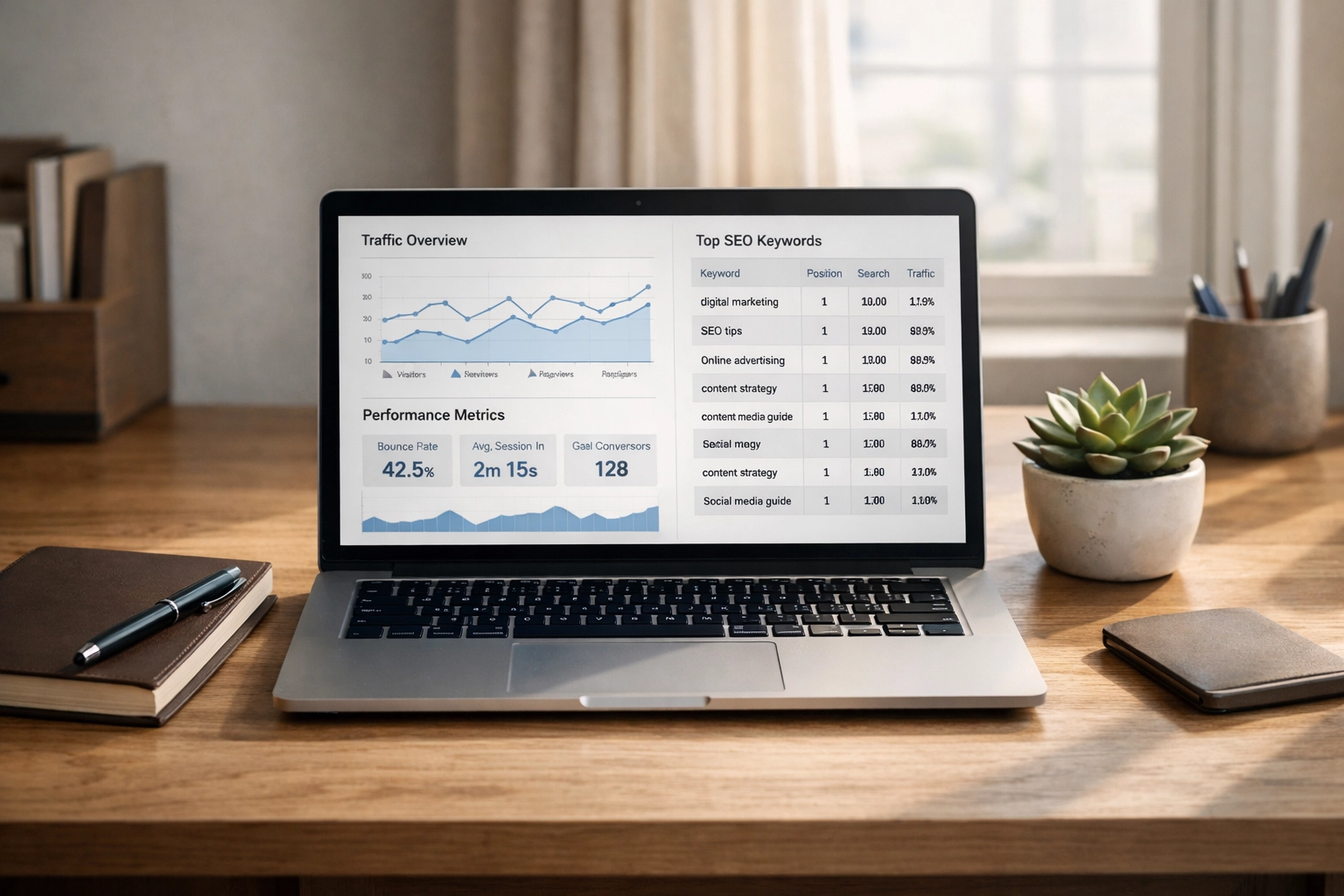
Website SEO is about making your site visible in organic search results for relevant keywords. It's the practice of optimising your site structure, content, and technical elements so Google understands what you offer and ranks you accordingly.
Your website serves different purposes:
It captures broader, non-local searches. Someone researching "how to choose a web designer" or "digital marketing strategies for SMEs" will find blog posts and service pages, not Business Profiles. This expands your reach beyond your immediate geographic area.
It builds authority and trust. A well-designed website with helpful content positions you as an expert. You can showcase case studies, publish in-depth guides, and demonstrate your knowledge in ways a Business Profile simply can't accommodate.
It gives you complete control. Unlike your Business Profile, which lives on Google's platform, your website is yours. You control the user experience, the conversion path, and how you present your services.
It enables complex customer journeys. E-commerce, appointment booking, downloadable resources, email capture: these all happen on your website, not your Business Profile.
The drawback is that website SEO typically takes longer to show results. Building authority, earning backlinks, and climbing search rankings is a months-long process, not an overnight win.
The Head-to-Head Comparison
Let's look at how these approaches stack up across key factors UK small businesses care about:
Speed of Results
Winner: Google Business Profile
You can have a verified profile bringing in enquiries within days. Website SEO requires consistent effort over months before you see meaningful traffic increases.
Cost
Winner: Tie
Both can be free if you do the work yourself. A Business Profile costs nothing to set up and maintain. Basic website SEO can be done without spending money, though most businesses eventually invest in tools or professional help for both.
Local Customer Acquisition
Winner: Google Business Profile
For capturing customers in your immediate area actively searching for what you offer right now, nothing beats appearing in the Local Pack with a well-optimised profile. These searchers convert at higher rates because they have immediate local intent.
Broader Visibility
Winner: Website SEO
If you want to reach people outside your immediate area, rank for informational keywords, or build a national presence, you need a properly optimised website with quality content.
Customer Trust and Credibility
Winner: Website SEO
While reviews on your Business Profile certainly build trust, a professional website with detailed information, case studies, and helpful resources establishes deeper credibility. This matters more for higher-value services where customers do extensive research.
Control Over the User Experience
Winner: Website SEO
Your website is your digital property. You control everything about it. With your Business Profile, you're at Google's mercy regarding what information displays and how.
When to Prioritise Each Approach
Certain business types benefit more from one approach initially:
Prioritise Google Business Profile first if you're:
- A service business serving a specific local area (plumbers, electricians, solicitors)
- A retail location where foot traffic matters
- A restaurant, café, or hospitality business
- Just starting out with limited budget
- Offering services people typically search for with location-based terms
Prioritise website SEO first if you're:
- Offering services nationally or internationally
- In a consultancy or advisory role where thought leadership matters
- Selling products or services online
- Targeting customers who do extensive research before buying
- In a niche where local search volume is limited
That said, even businesses in these categories should eventually develop both channels.
The Strategy That Actually Works: Combining Both
Here's what successful UK small businesses understand: Google Business Profile and website SEO aren't competitors: they're partners in a customer acquisition system.
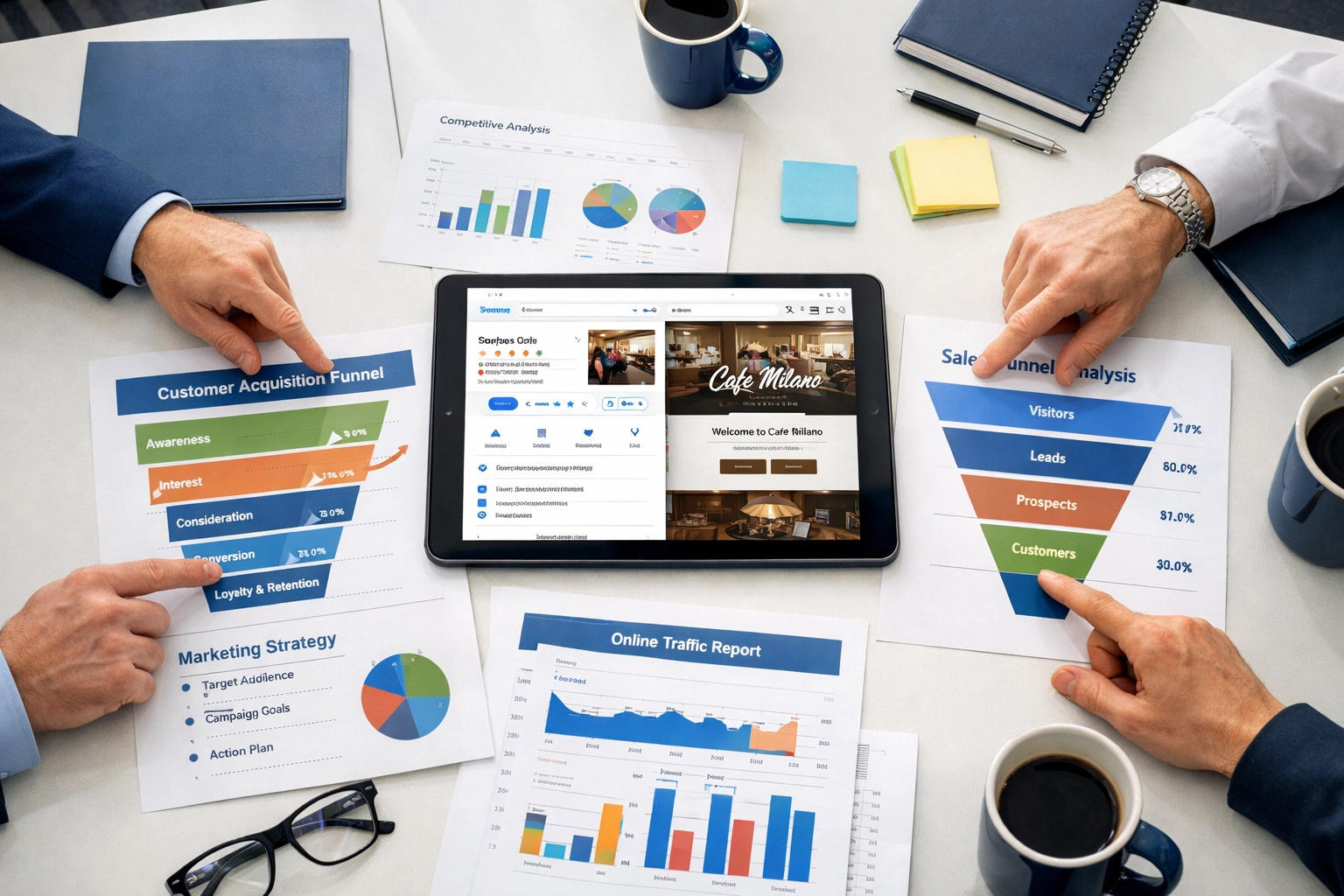
Your Business Profile captures people at the bottom of the funnel: they know what they need and they're ready to buy locally. Your website catches people earlier in their journey and builds authority that eventually converts.
The integration looks like this:
Use your Business Profile to drive website traffic. Link to specific landing pages, share blog posts, and create offers that encourage profile viewers to visit your site.
Use your website to strengthen your local presence. Create location-specific pages, publish local content, and build the technical SEO foundation that helps your Business Profile rank higher.
Maintain consistency across both. Your business name, address, and phone number (NAP) must match exactly on your website and Business Profile. Inconsistencies confuse Google's algorithms and damage your local SEO rankings.
Leverage each platform's strengths. Use your Business Profile for immediate actions (calls, directions, bookings) and your website for education, detailed information, and complex conversions.
Getting the Balance Right for Your Business
Most UK small businesses should start by getting their Google Business Profile properly optimised: it's the quickest win. Make sure your profile is complete, regularly post updates, encourage and respond to reviews, and add photos.
Simultaneously, begin building your website's SEO foundation. This means ensuring your site is technically sound, creating helpful content around your services, and building pages that target both local and broader keywords.
As you grow, allocate more resources to whichever channel drives better results for your specific business model. Track where your enquiries come from and adjust accordingly.
Moving Forward
The question isn't really which platform brings more customers: it's how to use both effectively based on your business type, location, and growth stage.
If you're feeling overwhelmed about where to start or how to optimise both channels effectively, that's completely normal. Digital marketing for UK small businesses involves juggling multiple platforms and strategies.
At Digital WebWorx, we help SMEs across the UK build integrated digital marketing strategies that combine local search optimisation with broader SEO approaches. If you'd like to discuss how to make both your Google Business Profile and website work harder for your business, we're always happy to chat about what might work best for your specific situation.